
Fun fact
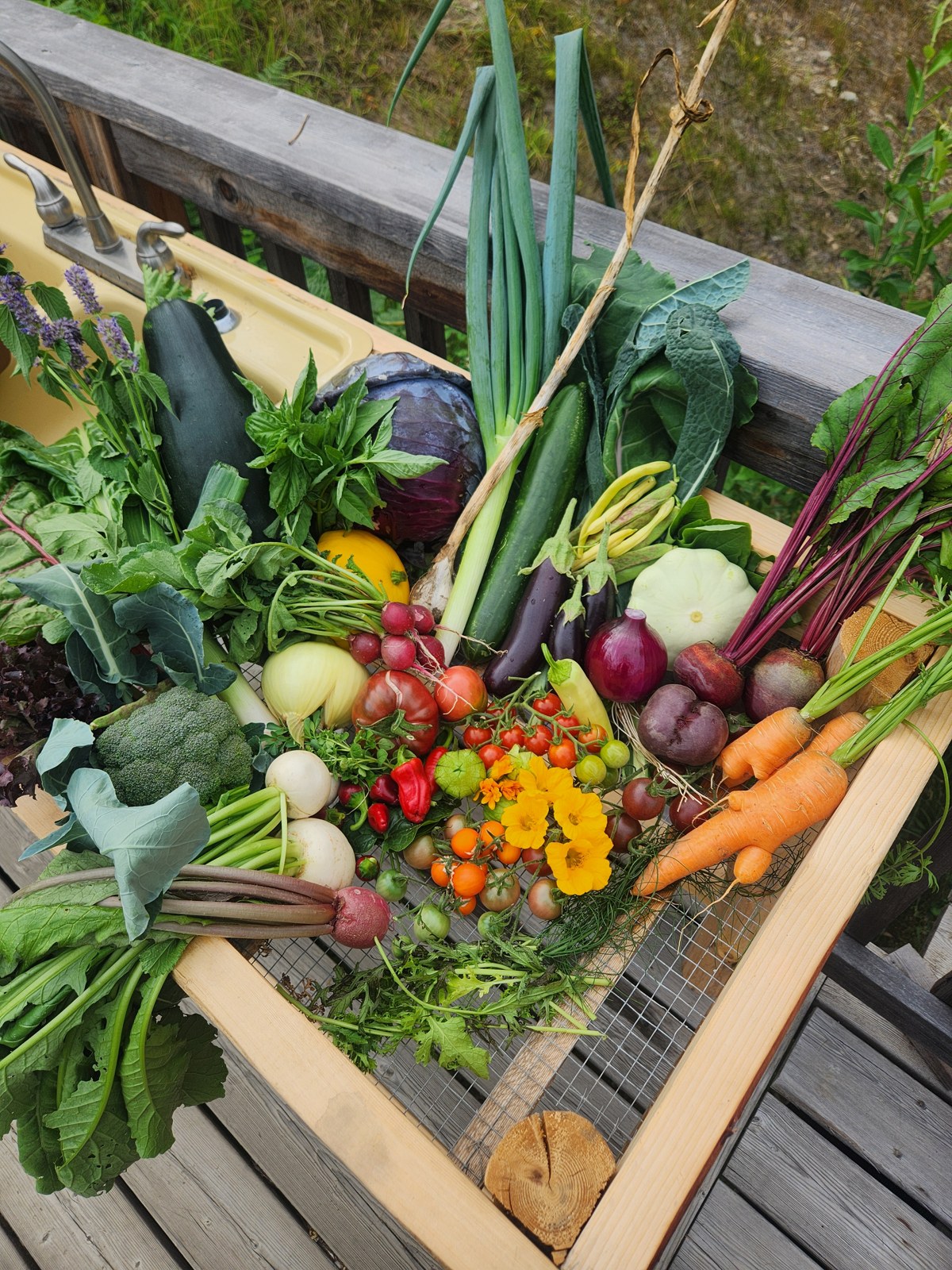
There are 300,000 known edible species. We only eat 150–200.
Given the huge diversity of food that exists, isn’t it sort of sad how limited our diets are?
Around 75% of the world’s food comes from just 12 plant species and 5 animal species (according to the FAO). And what’s worse? Over 75% of plant genetic diversity has been lost since the 1900s as farmers embrace genetically uniform ‘high yielding’ varieties.

This loss has profound effects on our health. Diversity in diet is consistently linked to better health. If you eat more different types of foods... you'll be healthier.
Diversity is also one of the most important ways to build resiliency in your garden and in the wider natural ecosystem.
So let’s grow more unique and interesting varieties of vegetables!
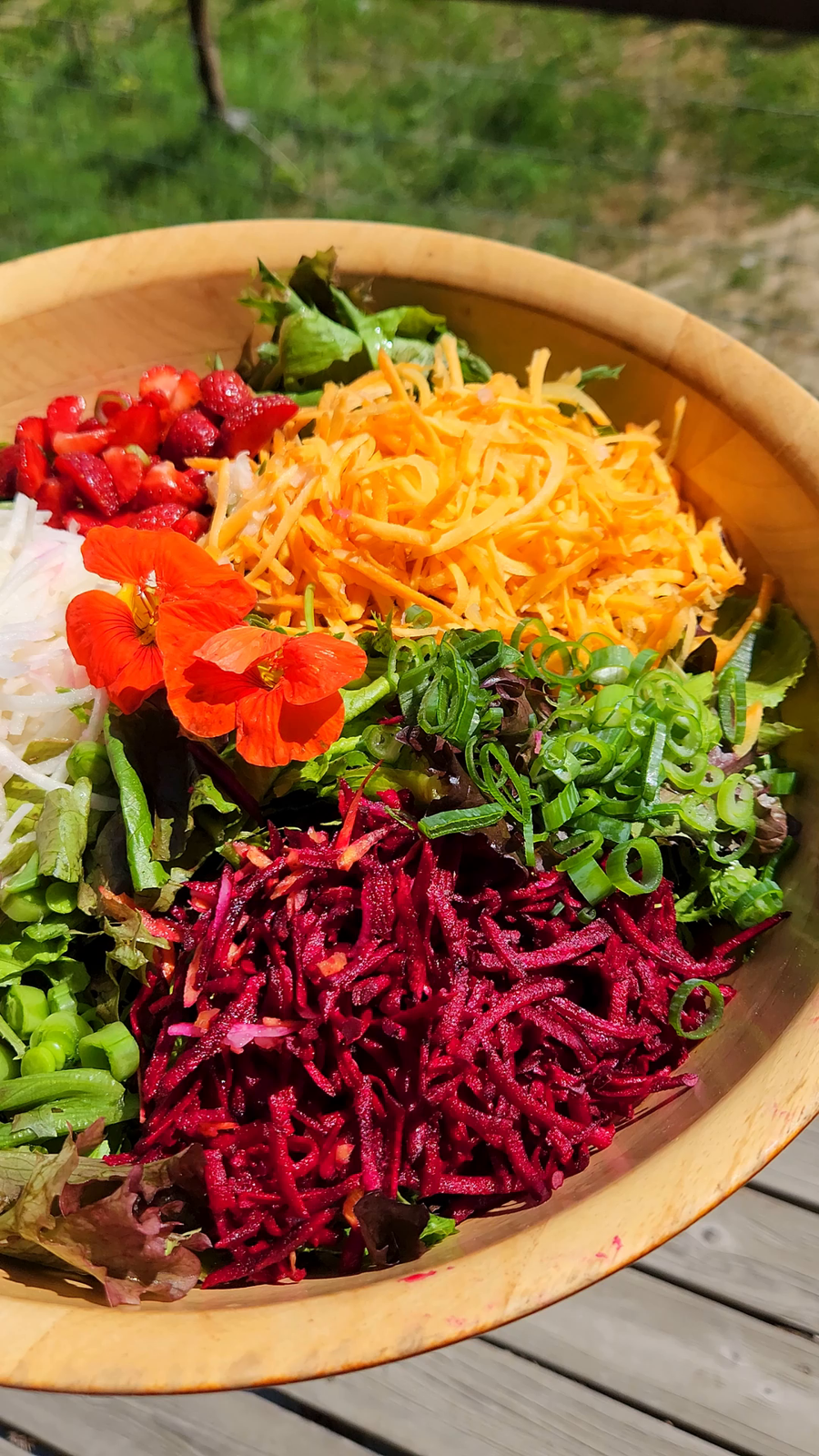
This salad I grew has at least 9 different crops in it.
How I wrote this list
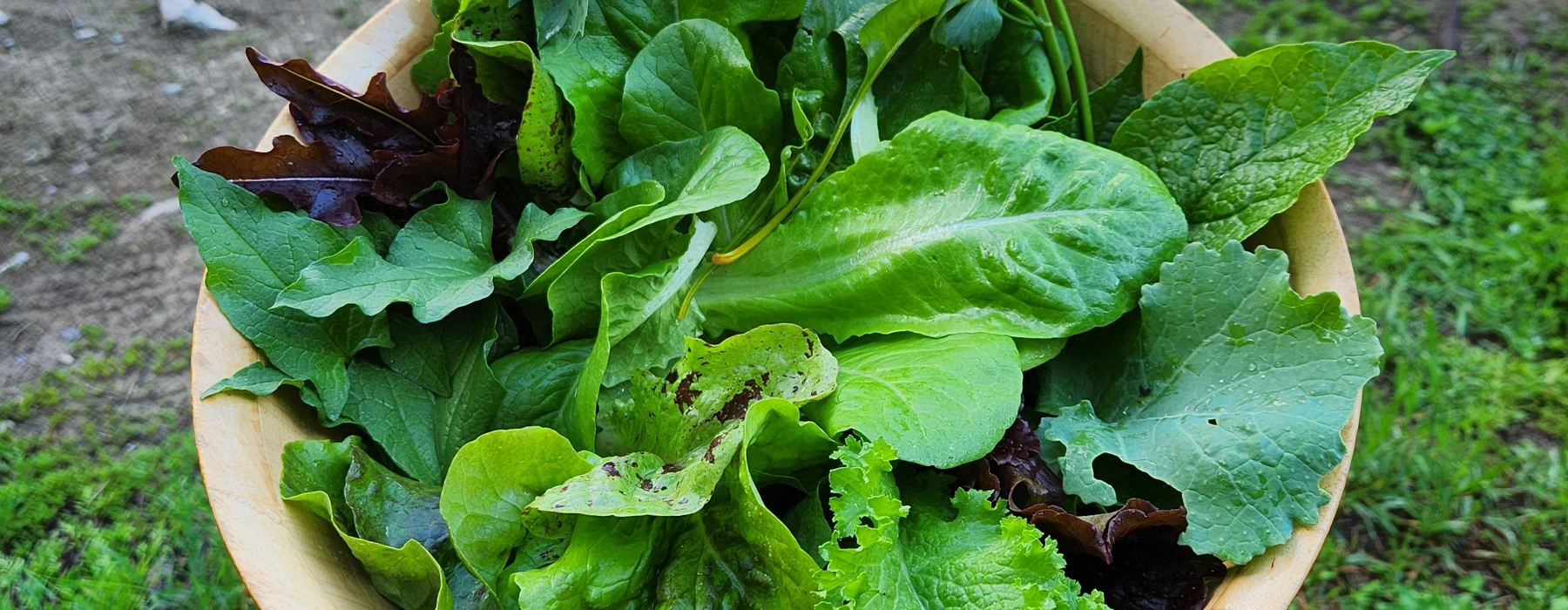
I made a video on my Instagram about Callaloo (a fantastic leafy green you can grow instead of spinach) and I asked you all for your favourite leafy greens to grow.
I read all the comments and compiled a list of the top interesting leafy greens that aren’t spinach, kale or swiss chard.

There's nothing wrong with kale or spinach...
Again, I love spinach, kale and swiss chard and I will always keep growing these. But embracing diversity is one of the main goals I have in my garden and life, so I decided to compile this list and I will be trying to grow every single one of these options.

1. Sokoyokoto Celosia
A nutritious leafy green from West Africa, often used in soups and stews for its mild, spinach-like flavor.
2. Warrigal greens
A heat-tolerant, salt-resistant green native to Australia, known as a spinach substitute with a slightly tangy taste.
3. Sun chokes
The edible tubers of the Jerusalem artichoke plant, but the young leaves and shoots are also edible and mildly nutty.
4. Water spinach
A fast-growing, semi-aquatic plant with tender, hollow stems and mild-tasting leaves, popular in Asian cuisine.
5. Miriah Callaloo
A Caribbean variety of amaranth, prized for its tender leaves that are cooked like spinach in stews and curries.
6. Sweet lettuce
A lesser-known, mild-flavored lettuce variety with soft, sweet leaves, ideal for salads and fresh eating.
7. Jewels of Opar
A heat-loving green with succulent, mild leaves, often used in salads or lightly cooked.
8. Orach
A spinach alternative with red, green, or purple leaves that thrives in hot weather and has a slightly salty taste.
9. Horn of Plenty
Also known as Black Trumpet mushroom, though not a green, its edible leaves and shoots can be used in cooking.
10. Malabar Spinach
A tropical vining spinach with thick, mucilaginous leaves that are great for stir-fries and soups.
11. Longevity spinach
A nutrient-dense green with slightly succulent leaves, valued for its medicinal properties and mild flavor.
12. Kenikir (edible cosmos)
A flowering plant with edible, aromatic leaves that are commonly used in Indonesian dishes.
13. Nettles
A wild, nutrient-packed green with a deep, earthy flavor. Cook it like spinach, or dehydrate and use as a green powder all winter long.
14. Miner’s lettuce
A cold-hardy green with mild, crisp leaves, traditionally eaten by miners for its high vitamin C content.
15. French sorrel
A tangy, lemon-flavored green that adds brightness to salads, soups, and sauces.
16. Purple orach
A vibrant alternative to spinach, with a slightly salty taste and beautiful purple leaves.
17. Good King Henry
An old-fashioned perennial green with tender shoots and nutritious leaves, historically used like spinach.
I bought my Good King Henry seeds from my friend's awesome seed farm Cicada Seeds! (You should go check her stuff out)
18. Caucasian mountain spinach
A rare, perennial climbing spinach with tender young shoots and leaves that can be cooked like regular spinach.
19. Okra leaves
The leaves of the okra plant, edible raw or cooked, with a mucilaginous texture that thickens soups and stews.
20. Kohlrabi leaves
Nutritious, cabbage-like greens that can be used similarly to kale or collard greens.
21. Syndrella nodiflora
A lesser-known, wild edible green with small, tender leaves used in traditional herbal medicine and cooking.
22. Lambs quarter
A wild spinach relative with highly nutritious leaves, often foraged and eaten raw or cooked. In the Amaranth family.
23. Purslane
A succulent green rich in omega-3 fatty acids, with a slightly sour, refreshing crunch.
24. Molokhia
A mucilaginous, nutrient-rich green popular in Middle Eastern and African cuisines, often used in soups.
25. Katuk
A tropical green with a nutty, slightly sweet flavor, commonly eaten raw or cooked in Southeast Asia.
So get out there and start growing some cool stuff!
And never forget the most important thing:
If you feed your soil... your plants will grow themselves.
It sounds too good to be true, but if you grow healthy soil, gardening becomes so much easier.
Now get outside and start planting some cool stuff! Unless it's winter where you are and you can't plant in which case you go check out more cool resources on my website ;)
Have questions or want to learn more?
Go check out the awesome resources on my website!
I'm working SO hard to bring you the absolute best gardening guides, courses, tutorials and more.
Check out the growing list of cool resources.